Shop

The Catholic Epistles: Critical Readings

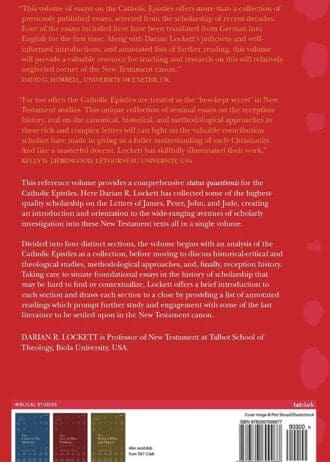
This reference volume aims to be a kind of comprehensive status quaestionis for the Catholic Epistles. Here Darian Lockett has collected some of the highest quality scholarship concentred upon the Letters of James, Peter, John, and Jude, creating an introduction and orientation to the wide ranging avenues of scholarly investigation into these New Testament texts all in a single-volume. Divided into four distinct sections, the volume begins with an analysis of the Catholic Epistles as a collection, before moving to discuss historical-critical and theological studies, methodological approaches, and, finally, reception history. Taking care to situate foundational essays in the history of scholarship that may be hard to find or contextualize, Lockett offers a brief introduction to each section and draws each section to a close by providing a list of annotated readings which prompt further study and engagement with some of the last literature to be settled upon in the New Testament canon.
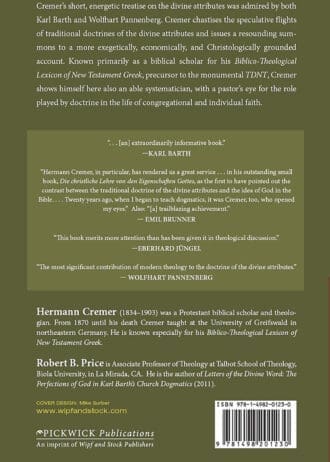
The Christian Doctrine of the Divine Attributes

Cremer’s short, energetic treatise on the divine attributes was admired by both Karl Barth and Wolfhart Pannenberg. Cremer chastises the speculative flights of traditional doctrines of the divine attributes and issues a resounding summons to a more exegetically, economically, and christologically grounded account. Known primarily as a biblical scholar for his Biblico-Theological Lexicon of New Testament Greek, precursor to the monumental TDNT, Cremer shows himself here also an able systematician, with a pastor’s eye for the role played by doctrine in the life of congregational and individual faith.

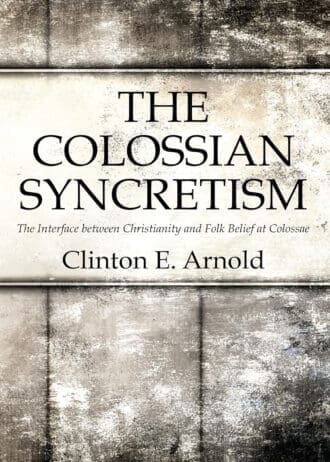
The Colossian Syncretism: The Interface Between Christianity and Folk Belief at Colossae

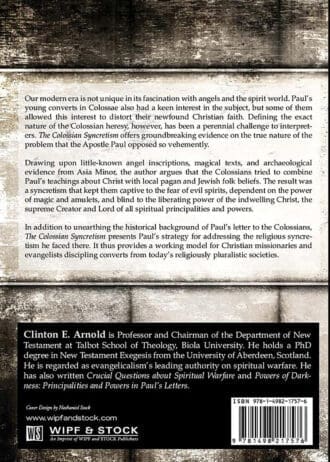
Drawing upon little-known angel inscriptions, magical texts, and archaeological evidence from Asia Minor, the author argues that the Colossians tried to combine Paul’s teachings about Christ with local pagan and Jewish folk beliefs. The result was a syncretism that kept them captive to the fear of evil spirits, dependent on the power of magic and amulets, and blind to the liberating power of the indwelling Christ, the supreme Creator and Lord of all spiritual principalities and powers.

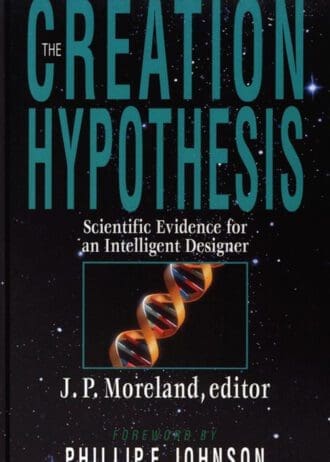
The Creation Hypothesis

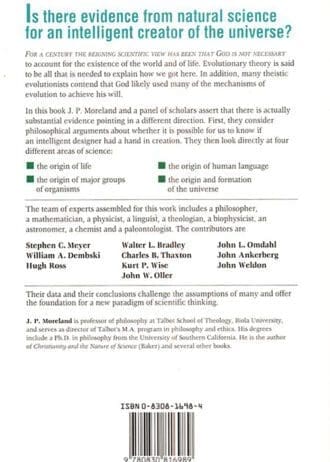
For a century the reigning scientific view has been that God is not necessary to account for the existence of the world and of life. Evolutionary theory is said to be all that is needed to explain how we got here. In addition, many theistic evolutionists contend that God likely used many of the mechanisms of evolution to achieve his will. In this book J.P. Moreland and a panel of scholars assert that there is actually substantial evidence pointing in a different direction.

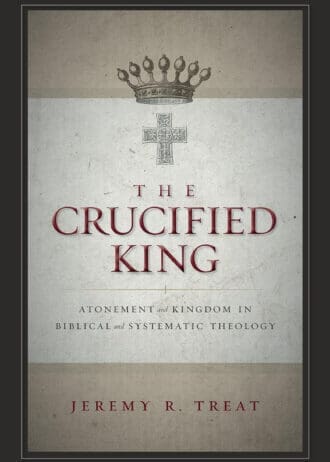
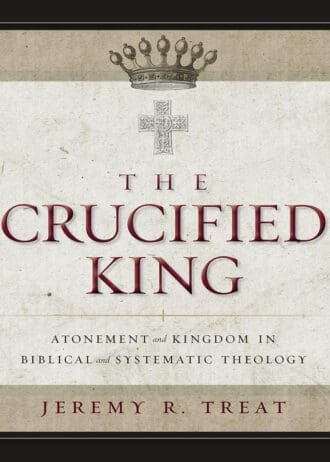
The Crucified King: Atonement and Kingdom in Biblical and Systematic Theology

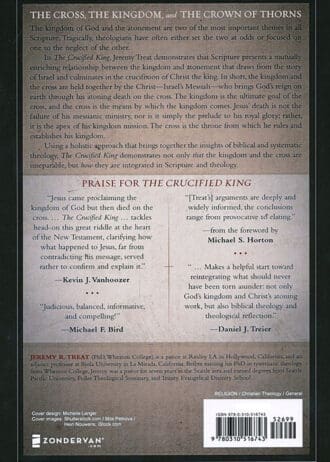
In The Crucified King, Jeremy Treat demonstrates that Scripture presents a mutually enriching relationship between the kingdom and atonement that draws significantly from the story of Israel and culminates in the crucifixion of Christ the king. As Israel’s messiah, he holds together the kingdom and the cross by bringing God’s reign on earth through his atoning death. The kingdom is the ultimate goal of the cross, and the cross is the means by which the kingdom comes. Jesus’ death is not the failure of his messianic ministry, nor simply the prelude to his royal glory, but is the apex of his kingdom mission. The cross is the throne from which he rules and establishes his kingdom.

The Crucified King: Atonement and Kingdom in Biblical and Systematic Theology – Audiobook

In The Crucified King, Jeremy Treat demonstrates that Scripture presents a mutually enriching relationship between the kingdom and atonement that draws significantly from the story of Israel and culminates in the crucifixion of Christ the king. As Israel’s messiah, he holds together the kingdom and the cross by bringing God’s reign on earth through his atoning death. The kingdom is the ultimate goal of the cross, and the cross is the means by which the kingdom comes. Jesus’ death is not the failure of his messianic ministry, nor simply the prelude to his royal glory, but is the apex of his kingdom mission. The cross is the throne from which he rules and establishes his kingdom.

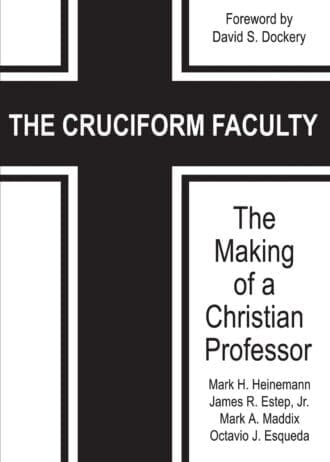
The Cruciform Faculty: The Making of a Christian Professor

How do Christian higher education institutions orient new faculty members to their role on a Christian campus? How do they lead faculty members toward a deeper understanding of the Christian dimension of their place in higher education? Bible Colleges, Christian Universities, and Seminaries need a resource that can be provided to faculty members or be used in faculty development discussions. This book is designed to serve as just such a resource. It provides a clear and concise portrait of the general role of faculty from a distinctively evangelical Christian perspective. We use the metanarrative of being formed by the cross to describe the “cruciform” role of professors as teachers in the classroom, mentors to the students, scholars within the academy, and servants of the church and community. Each chapter will have personal and group reflection questions and exercises to aid in application.

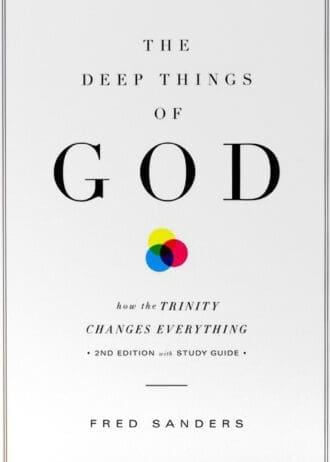
The Deep Things of God: How the Trinity Changes Everything – Revised Edition

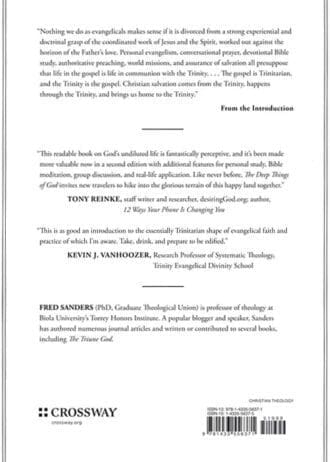
Though widely taught and believed by evangelicals, the doctrine of the Trinity is rarely fully understood or celebrated. In The Deep Things of God, systematic theologian Fred Sanders offers an accesible guide to this fundamental doctrine, demonstrating why it ought to be embraced—wholeheartedly and without reserve—as a central concern of evangelical theology. This revised second edition of The Deep Things of God includes a study guide and examines the centrality of the Trinity in our salvation and the Trinity’s presence in the reading of the Bible and prayer.

The Destruction of the Canaanites: God, Genocide, and Biblical Interpretation

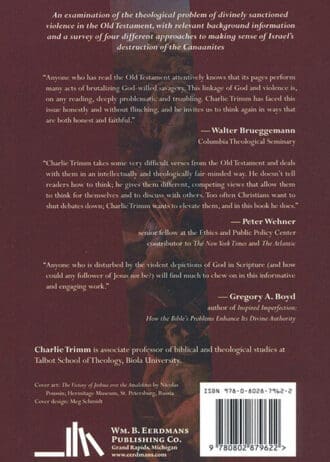
When Joshua led the Israelites into the Promised Land, he was told to destroy the Canaanites as well as their culture. Yet, how can a good God command genocide, and how are we to make sense of one of the Bible’s most difficult ethical problems? In The Destruction of the Canaanites, Charlie Trimm evaluates this topic from every conceivable angle: Who were the Canaanites, and what do we know about them? How should one understand the nature of warfare in the ancient world? When is an event considered genocide? He then provides four possible approaches to reconciling biblical violence.

The Ecumenical Edwards: Jonathan Edwards and the Theologians

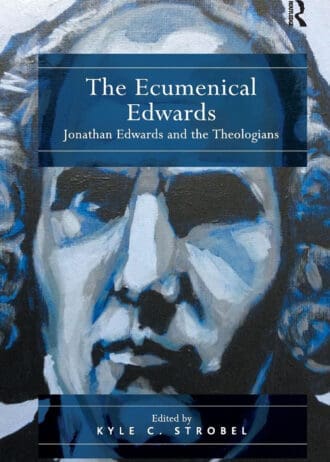
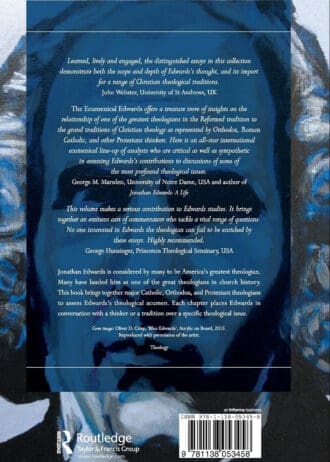
Jonathan Edwards is considered by many to be America’s greatest theologian. Many have lauded him as one of the great theologians in church history. This book brings together major Catholic, Orthodox, and Protestant theologians to assess Edwards’s theological acumen. Each chapter places Edwards in conversation with a thinker or a tradition over a specific theological issue.

The Exodus Principle: A 5-Part Strategy to Free Your People for Ministry

Developing a “culture of service” empowers the people in any church to minister to the church’s two key “customer groups”–the people already there, and guests. The message of Exodus Principle is that serving both groups well is critical to health. Church growth expert Gary McIntosh explores the critical need of churches to serve both members and visitors as valued, respected guests in God’s house. It is only by extending the hand of sincere Christian hospitality, both inside and outside the church, that congregations can continue to grow.

1 37 38 39 48