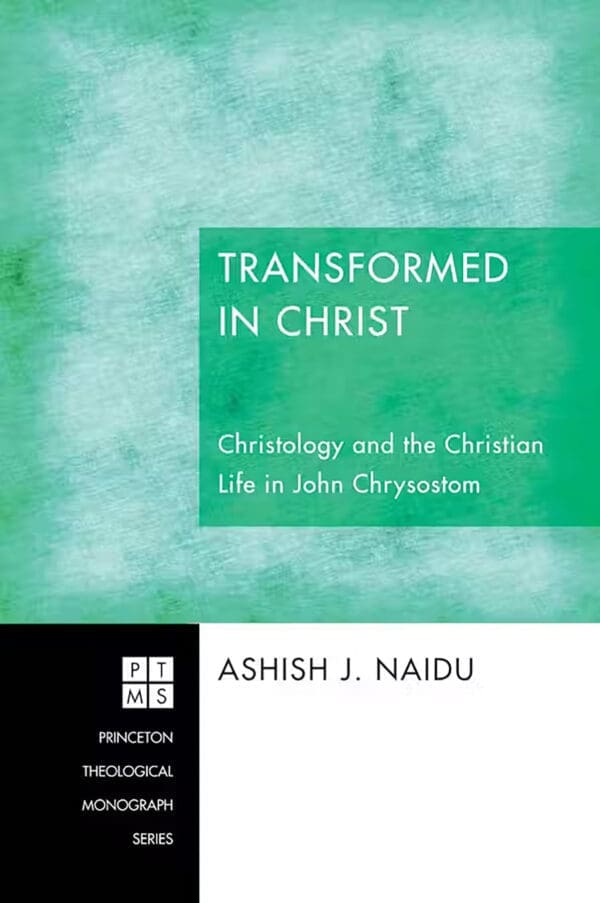
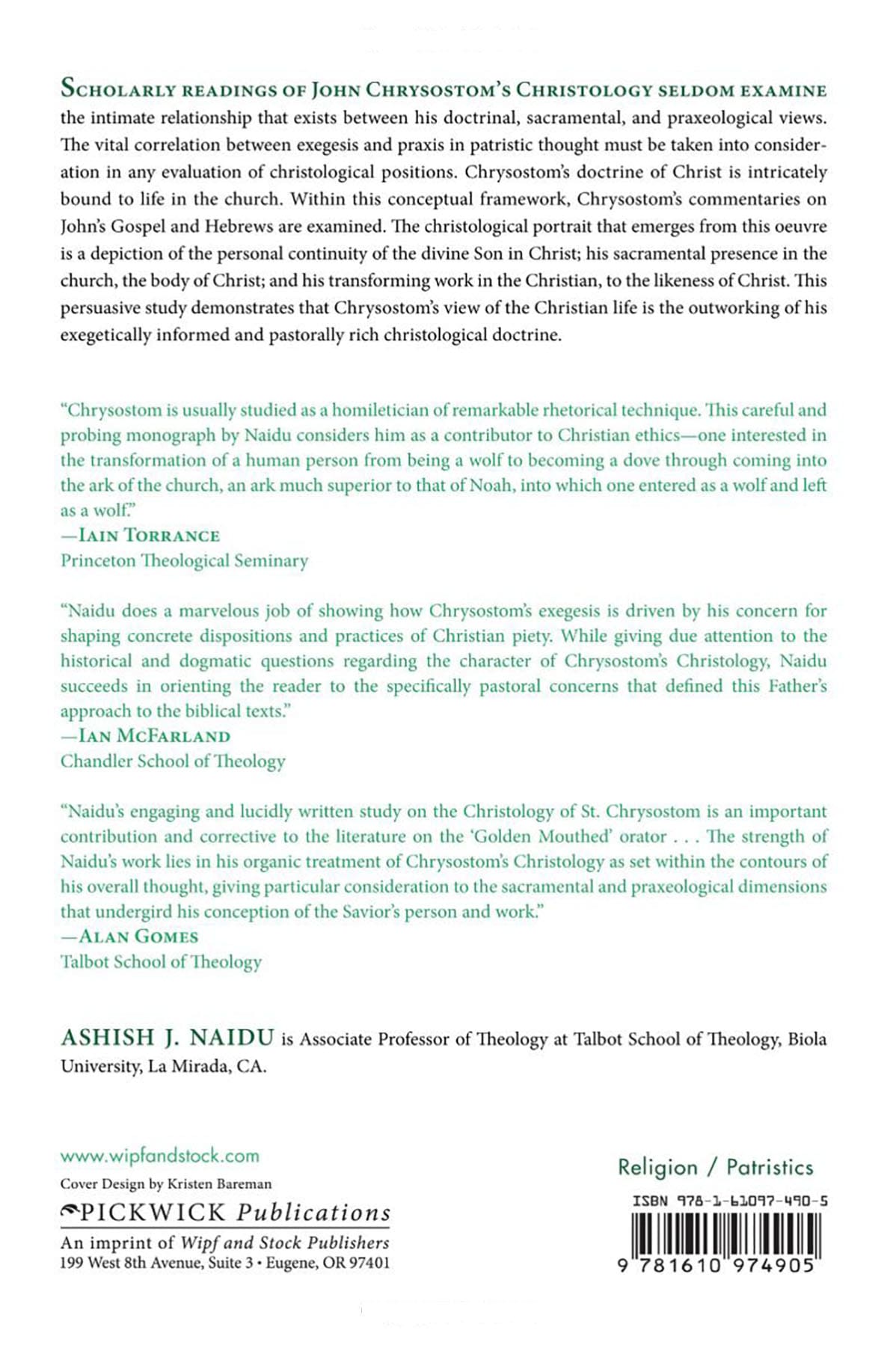
Scholarly readings of John Chrysostom’s Christology seldom examine the intimate relationship that exists between his doctrinal, sacramental, and praxeological views. The vital correlation between exegesis and praxis in patristic thought must be taken into consideration in any evaluation of christological positions. Chrysostom’s doctrine of Christ is intricately bound to life in the church. Within this conceptual framework, Chrysostom’s commentaries on John’s Gospel and Hebrews are examined. The christological portrait that emerges from this oeuvre is a depiction of the personal continuity of the divine Son in Christ; his sacramental presence in the church, the body of Christ; and his transforming work in the Christian, to the likeness of Christ. This persuasive study demonstrates that Chrysostom’s view of the Christian life is the outworking of his exegetically informed and pastorally rich christological doctrine.
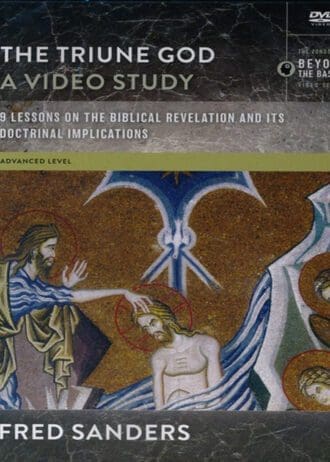
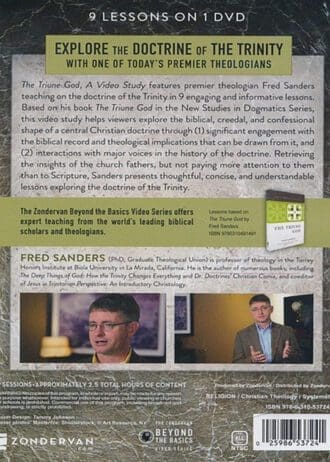
The Triune God, A Video Study: 9 Lessons on the Biblical Revelation and Its Doctrinal Implications
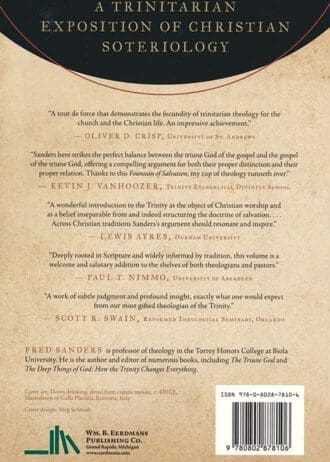
The Triune God, A Video Study, part of The Zondervan Beyond the Basics Video Series, features theologian Fred Sanders teaching on the doctrine of the Trinity. These lessons, based on his book The Triune God in the New Studies in Dogmatics series, help viewers explore the biblical, creedal, and confessional shape of this central Christian doctrine.